
There are plenty of articles online explaining how to calculate defect points in textiles. Almost none of them show you a real inspection report from an actual mill. We're going to do that here.
This is not theory. It's how fabric is actually graded before it leaves the supplier — using the 4-Point System, the most widely accepted method in the US textile industry. The test standard is ASTM D 5430. We've made our peace with the acronyms. You just need to know the math.
The 4-Point System assigns penalty points to fabric defects based on size. The larger the defect, the higher the points. After inspection, total points are calculated per 100 square yards. If the score exceeds the acceptable limit, the fabric is downgraded or rejected. Simple in theory. Slightly more work in practice.
| Defect Size | Points |
|---|---|
| Up to 3 inches | 1 |
| 3 to 6 inches | 2 |
| 6 to 9 inches | 3 |
| Over 9 inches | 4 |
No single defect scores more than 4 points. That's the cap. A 12-inch tear and a 10-inch tear both get 4. The system has limits.
If the fabric scores under the limit, it passes. Over, it gets downgraded or rejected. Nobody argues with the math.
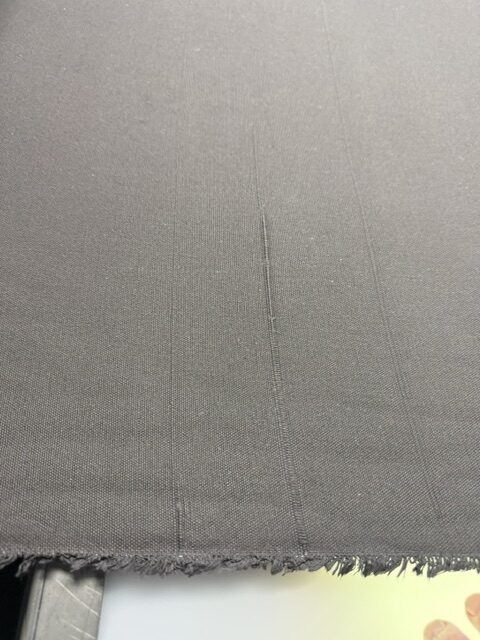
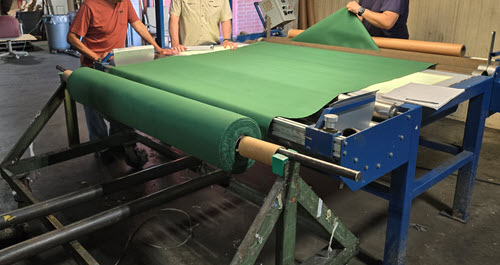
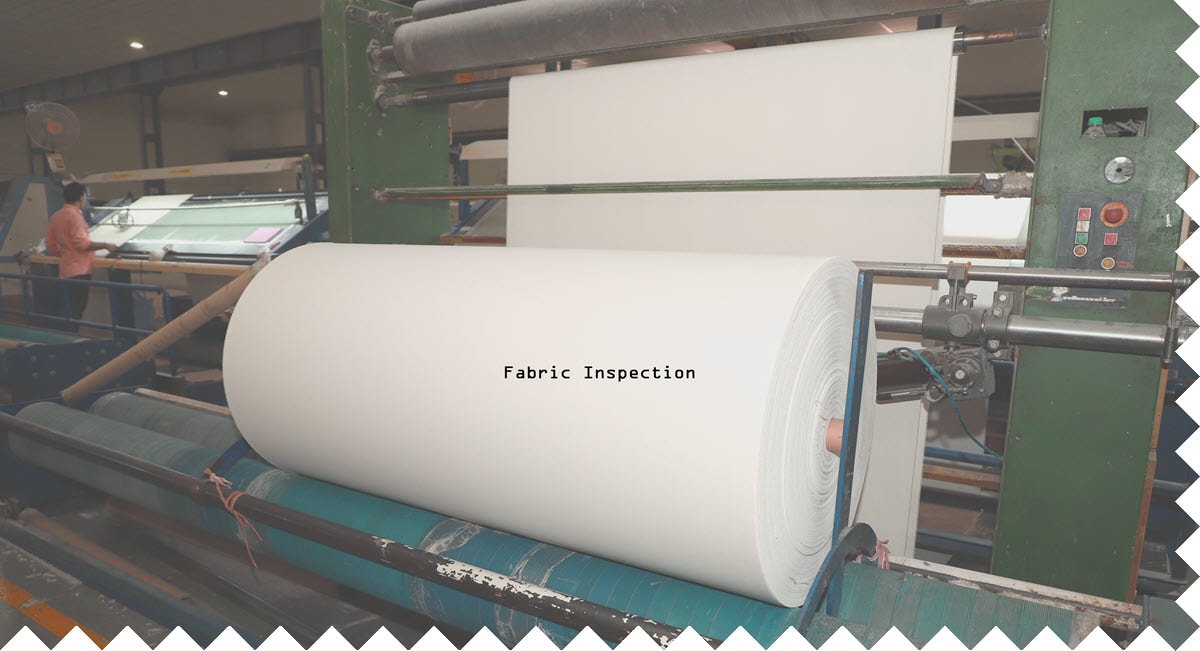
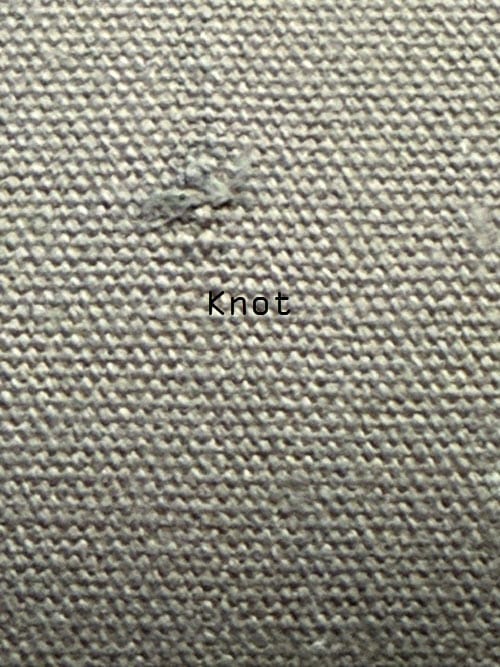
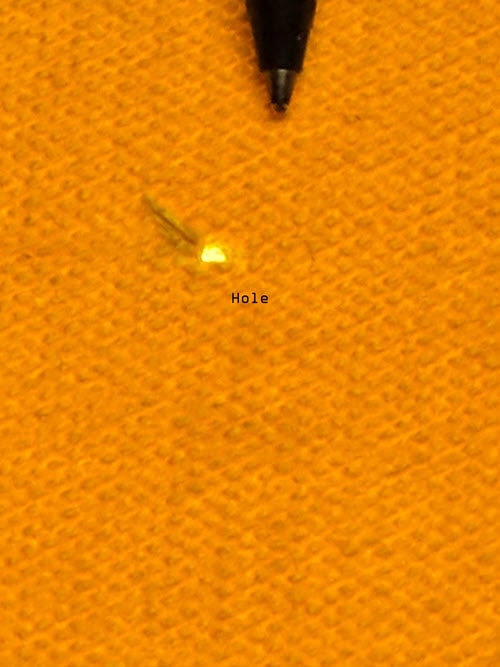
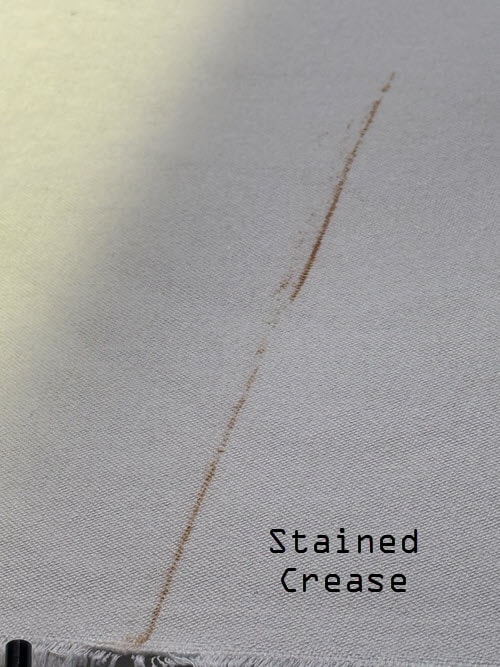
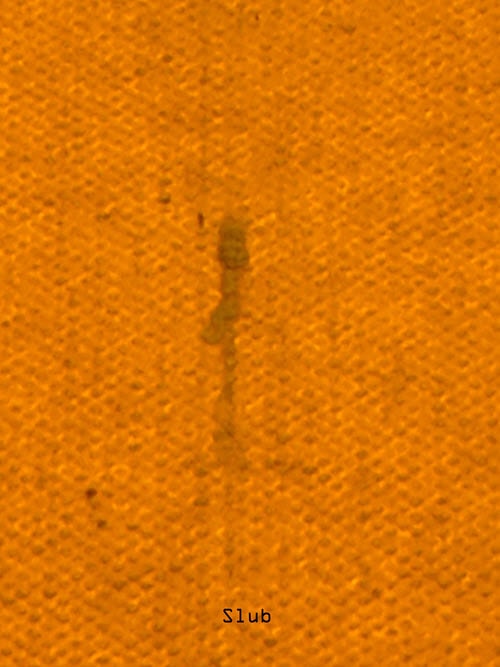
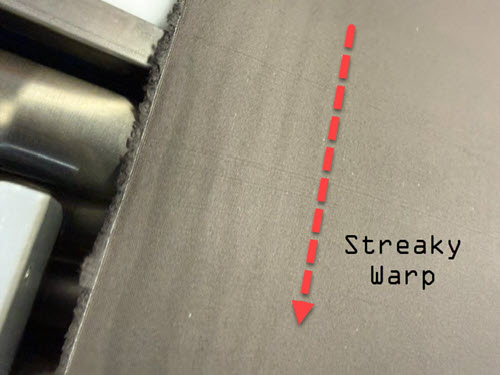
Click any image to expand — Some common fabric defects found during 4-Point inspection (the inspection machine is the pic with green roll) - Broken Pick, Knot, Hole, Stained Crease, Slub & Streaky warp
Below is an actual packing slip and inspection report we received. This is what a buyer should expect to see.
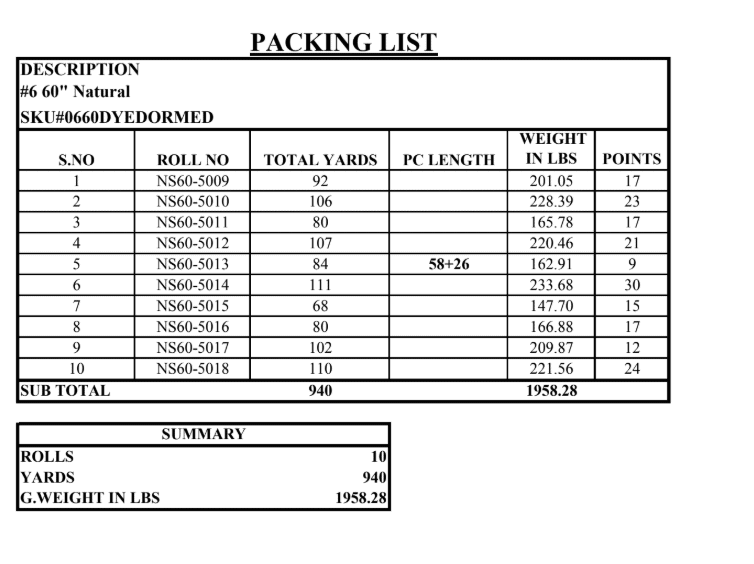
Click image to expand — Packing slip for #6 Cotton Duck, 60" wide, 20.5 oz/sq.yd
This is a packing slip for our #6 Cotton Duck, 60" wide, 20.5 oz/sq.yd. Take one roll — say NS60-5014. 111 linear yards, 233.68 lbs. It has 30 defect points. The supporting evidence from the mill's roll checking supervisor is given below. These fabrics are woven overseas. We will explain each of the "fualts" below on a different day. They know textiles. English is not a necessity — but counting defects is universal.
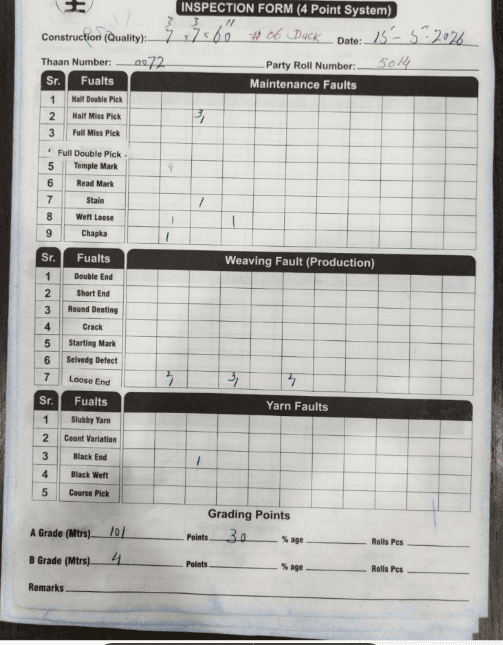
Click image to expand — Mill inspection report for roll NS60-5014 (Page 1)
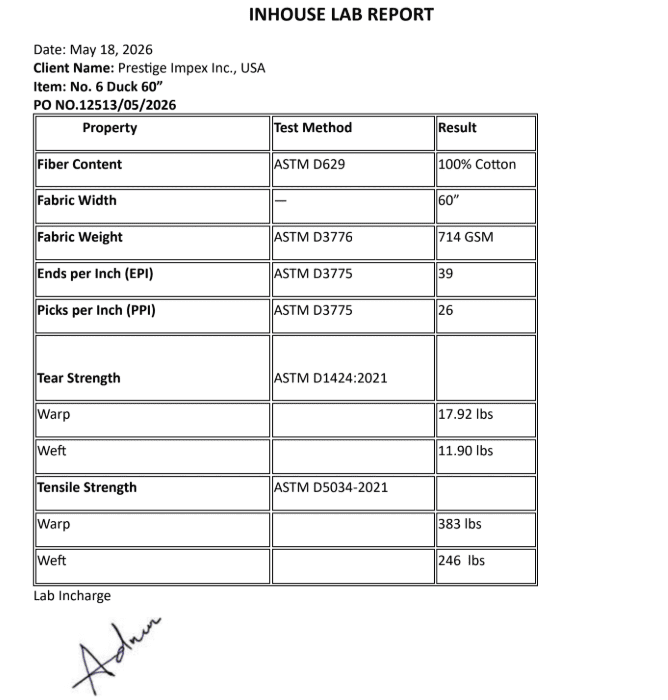
Click image to expand — Mill inspection report for roll NS60-5014 (Page 2)
So is this roll a Pass or a Fail per ASTM D 5430? Let's find out.
Formula: Total penalty points ÷ Total yards inspected × 100 = Points per 100 square yards. But first, we need the area.
Step 1: Convert length to feet. 111 linear yards × 3 = 333 linear feet.
Step 2: Convert width to feet. 60 inches × 0.083 = 4.98 linear feet. (Yes, inches to feet. Textile math is full of things that don't make perfect sense.)
Step 3: Total square area. 333 × 4.98 = 1,658.34 sq. feet.
Step 4: Convert to square yards. 1,658.34 ÷ 9 = 184.26 sq. yards.
Step 5: Points per 100 sq. yards. (30 × 100) ÷ 184.26 = 16.28.
When a supplier says their fabric is "first quality," this is how it's measured. Not by feel. Not by reputation. By points on an inspection report. A few things to keep in mind:
We receive inspection reports from our mills and review them before fabric enters inventory. If a lot doesn't meet spec, it doesn't ship to you. We also provide ASTM D5034 (tensile) and ASTM D2261 (tear) test data — so you're not just trusting a grade on a sticker.
View our full Fabric Specification Chart for weights, widths, and test data on every grade we stock. Or call +1-843-647-6363.
Got an inspection report from a supplier and not sure how to read it? Send it over. We'll tell you what we see. No charge for a second opinion.